The Consumer Dispute Redressal System in India is a statutory mechanism established to provide simple, speedy, and inexpensive justice to consumers for grievances arising from defective goods, deficient services, unfair trade practices, overcharging, or misleading advertisements. The system functions under the framework of the Consumer Protection Act, which replaced the earlier 1986 Act to strengthen consumer rights and modernize dispute resolution.
Objectives of the System
The primary objectives of the Consumer Dispute Redressal System are:
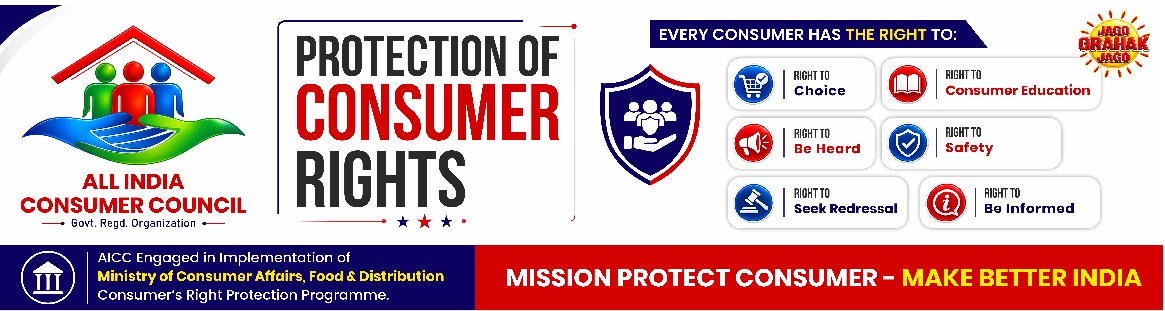
Protection of consumer rights such as the right to safety, information, choice, and redressal
Quick disposal of consumer disputes through specialized forums
Providing access to justice without complex court procedures
Ensuring accountability of manufacturers, sellers, and service providers
Three-Tier Redressal Structure
The system follows a three-tier quasi-judicial structure, based on the value of goods or services and compensation claimed:
District Consumer Disputes Redressal Commission
Jurisdiction: Claims up to ₹1 crore
Established at the district level
Handles the majority of consumer complaints
State Consumer Disputes Redressal Commission
Jurisdiction: Claims above ₹1 crore and up to ₹10 crore
Also hears appeals against District Commission orders
National Consumer Disputes Redressal Commission
Jurisdiction: Claims exceeding ₹10 crore
Hears appeals against State Commission decisions
Each commission consists of a President (a judicial member) and other members with legal, administrative, or technical expertise.
Filing of Complaints
A consumer may file a complaint:
Personally or through an authorized representative
Against manufacturers, traders, service providers, or e-commerce platforms
In physical form or electronically through the e-Daakhil portal
No court fees are required; only nominal filing charges apply, making the system consumer-friendly.
Powers and Reliefs
Consumer Commissions are empowered to:
Order replacement or refund of defective goods
Award compensation for loss, injury, or mental harassment
Impose penalties for unfair trade practices
Direct discontinuation of misleading advertisements
Issue corrective advertisements at the cost of the offender